In my teaching practice as a design tutor at the London College of Fashion, I have observed a recurring lack of personal engagement and a tendency towards prescriptive approaches within students’ visual research for design projects. This has become particularly evident during early-stage discussions of research imagery at the outset of projects, most notably within the Year 2 Design Proposal unit. This project functions as a preparatory proposal for students’ Final Major Project in Year 3 and is intended to articulate students’ initial ideas, interests, and creative intentions.
Despite this intention, I have frequently observed students selecting visual references and research materials that are generic, predictable, or aligned with perceived institutional expectations. When prompted to reflect on these choices, students commonly respond with statements such as “this is what I thought you wanted to see” or “this is what I thought research was.” These responses suggest that students may be positioning research as a performative act shaped by assessment cultures rather than as a process of personal inquiry.
From a critical pedagogical perspective, this tendency can be understood as reflective of what Freire (1970) describes as a “banking model” of education, in which knowledge is perceived as something to be deposited and reproduced rather than actively constructed. Similarly, hooks (1994) argues that students often learn to prioritise compliance with dominant academic norms over authentic self-expression, particularly within institutional learning environments. Read through this lens, students’ visual research practices appear less as sites of exploration and more as acts of conformity, shaped by implicit expectations of what constitutes ‘correct’ research within design education.
This leads me to the following question as the working title for my ARP unit:
How are notions of ‘correct’ visual research constructed, learned, and performed by students, and how can alternative, non-traditional visual research practices be institutionally validated to enable more dynamic narrative formations and critically engaged outcomes?
To me, ‘good’ visual research is in-depth and communicates a very specific knowledge of a chosen topic. But, it is also personal, individual and inextricably linked to the researcher themselves.
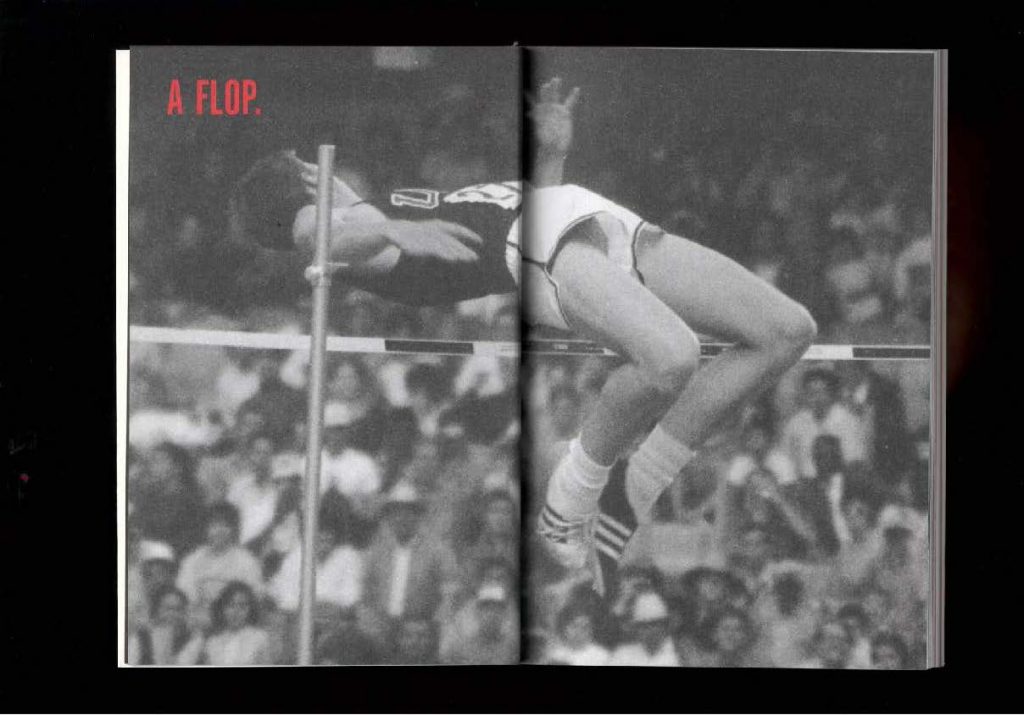
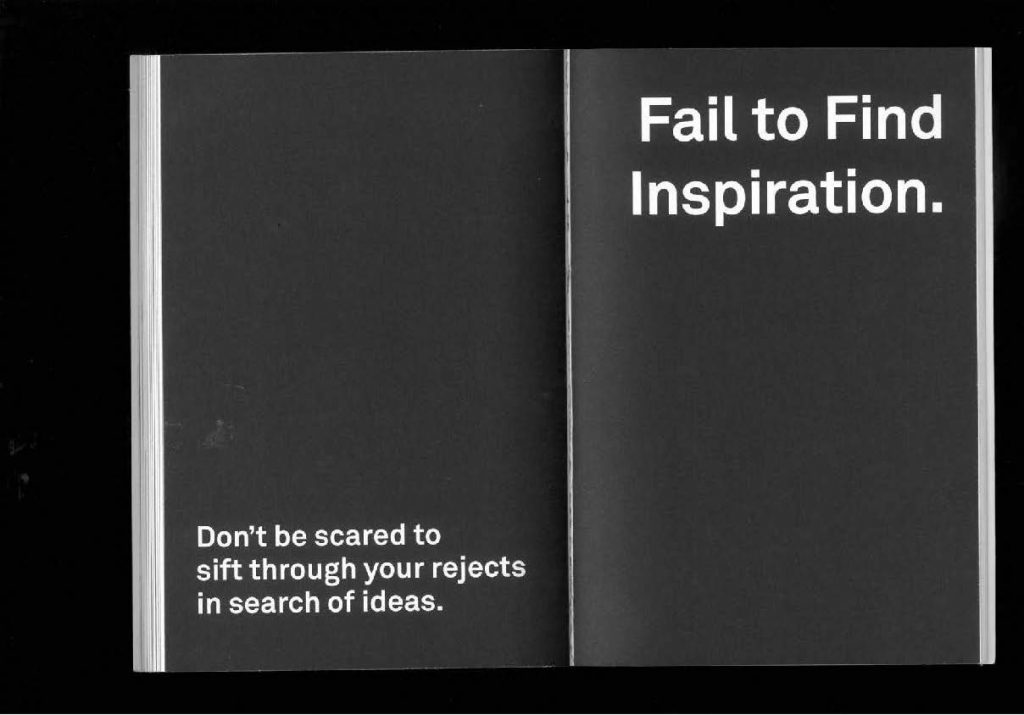
Students bringing research that they ‘think’ is what a tutor or academic wants to see is perhaps a result of the commodification of education, and the students of today are constantly seeking the ‘right answer’ and the need to seek a good grade rather than using their creative projects to explore and deepen their practice and take risks that could potentially result in failure (with this comes learning).
We suggest that embracing failure is an important pedagogy for visual arts classrooms in order to instill more creative thinking in students.
Shaunna Smith & Danah Henriksen (2016) Fail Again, Fail Better: Embracing
Failure as a Paradigm for Creative Learning in the Arts
My solution to this is to find ways to validate more obscure forms of research or find ways to allow students to bring their lives as researchers into their practice, finding ways that they are doing research every day, all the time, rather than seeing research as something that is exclusively ‘done’ or ‘performed’
In June of 2025, I designed a summer task project called ‘3X3’ where students are simply asked to engage with three different types of research across three months in a casual way that allows them to ‘take or leave’ what they have found, rather than in a high-pressure environment where they have a deadline to produce visual research for a project.
3X3 is a three-month research task that asks the student to choose 3 things from three lists: one book, one film and one location(London-specific)
References:
Freire, P. (1970) Pedagogy of the Oppressed. New York: Continuum.
hooks, b. (1994) Teaching to Transgress: Education as the Practice of Freedom. New York: Routledge.
Shaunna Smith & Danah Henriksen (2016) Fail Again, Fail Better: Embracing
Failure as a Paradigm for Creative Learning in the Arts
Leave a Reply